Module 6: Q-Matrix
What is the Q-Matrix? Tatsuoka (1983) B. Barnes (2005)
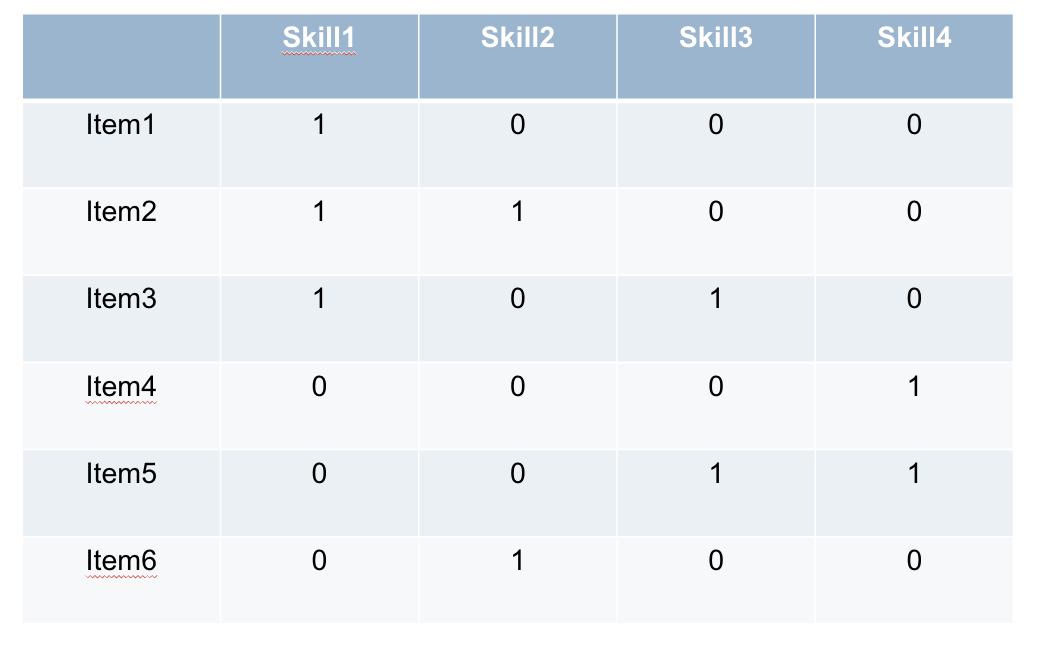
Example
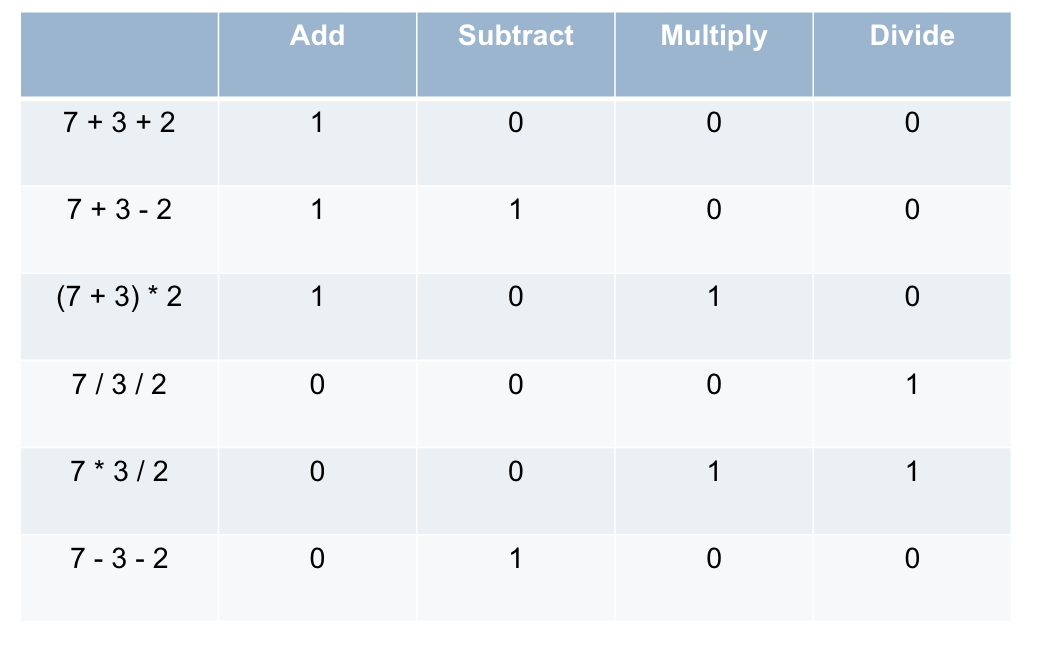
Hand Development and Refinement
What kind of data can we use to guide refinement?
Some slides adapted from a talk in my class
by John Stamper

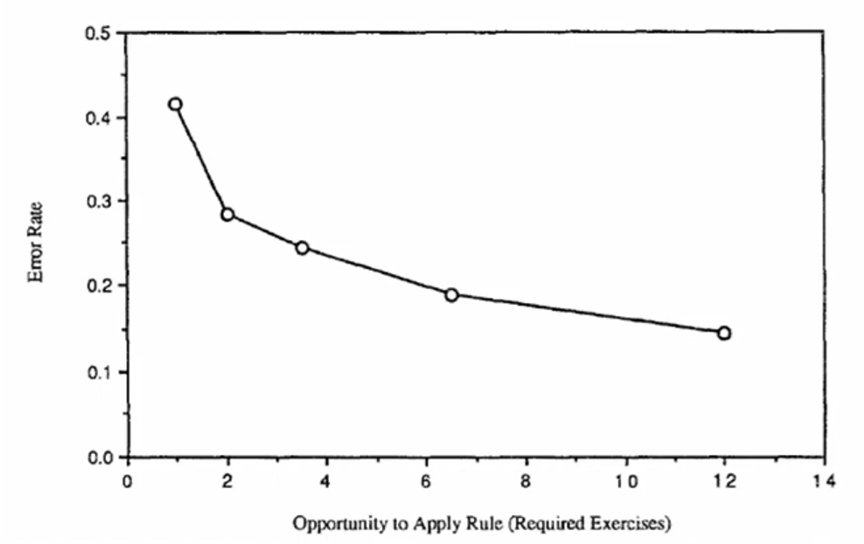
Learning Curve In Brief
- Shows relationship between amount of practice and performance
Spikes in learning curves…
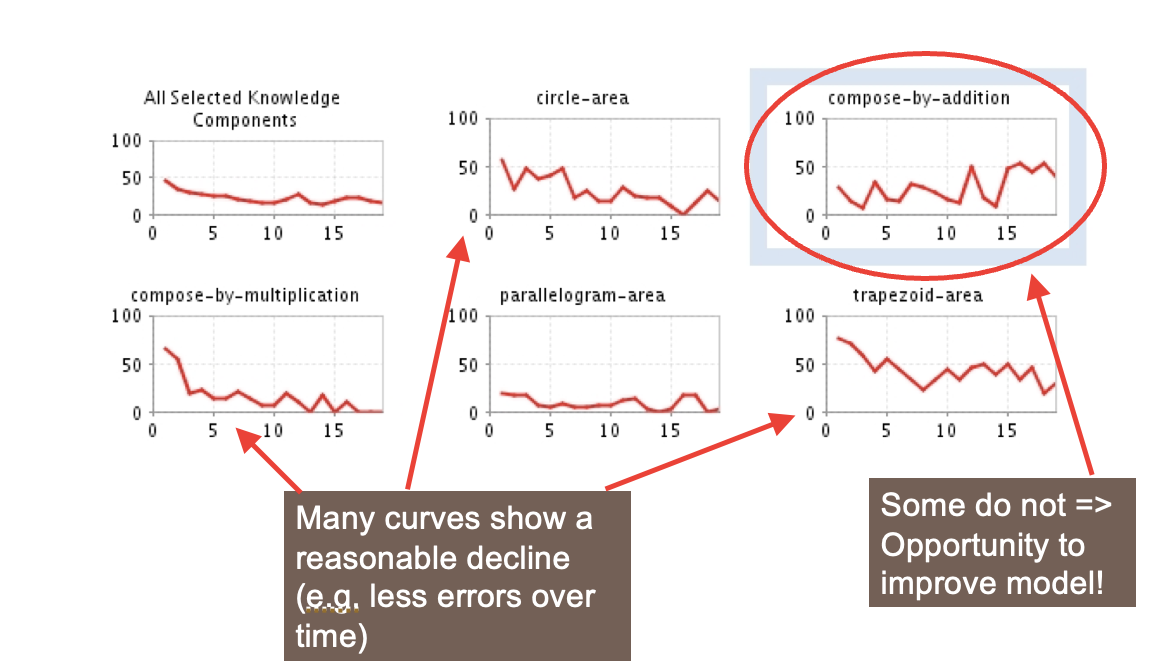
- Often imply two (or more) skills are being treated as a single skill
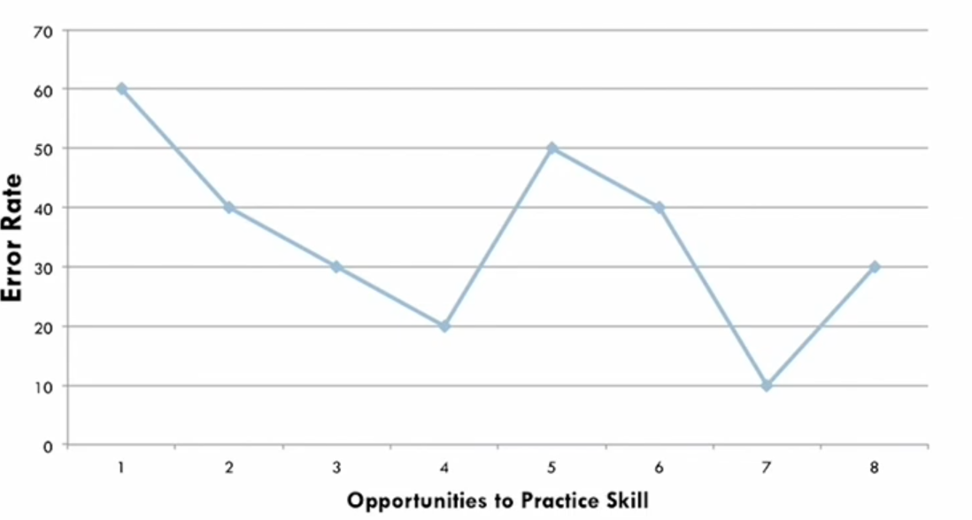
Spikes in learning curves…
- Often imply two (or more) skills are being treated as a single skill
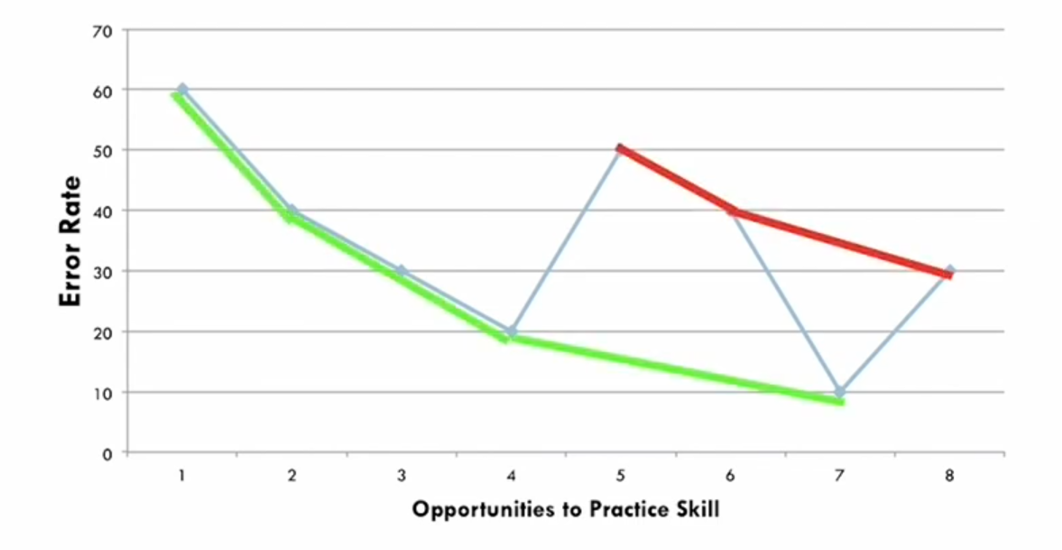
Spikes in learning curves…
- Often imply two (or more) skills are being treated as a single skill
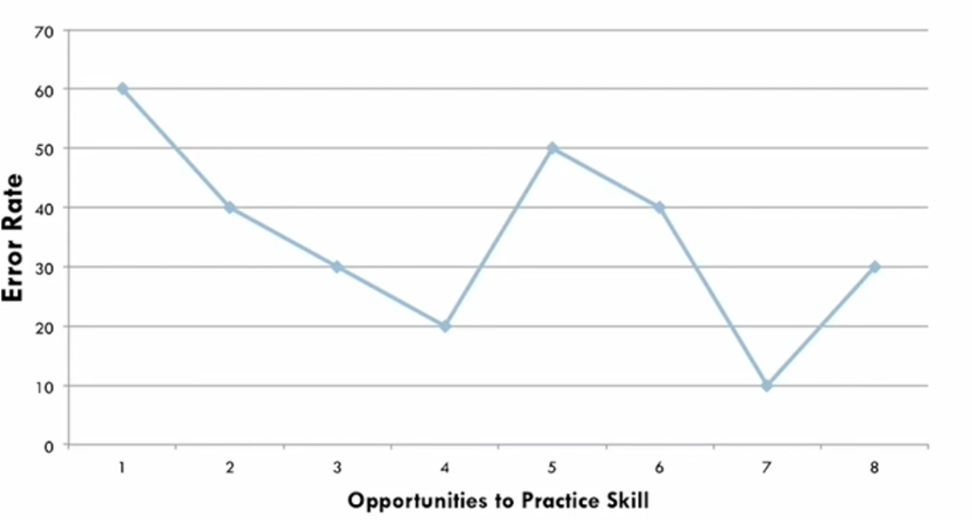
Example
Possible to look at learning curves for different skill models
(we will discuss this more in a future lecture)
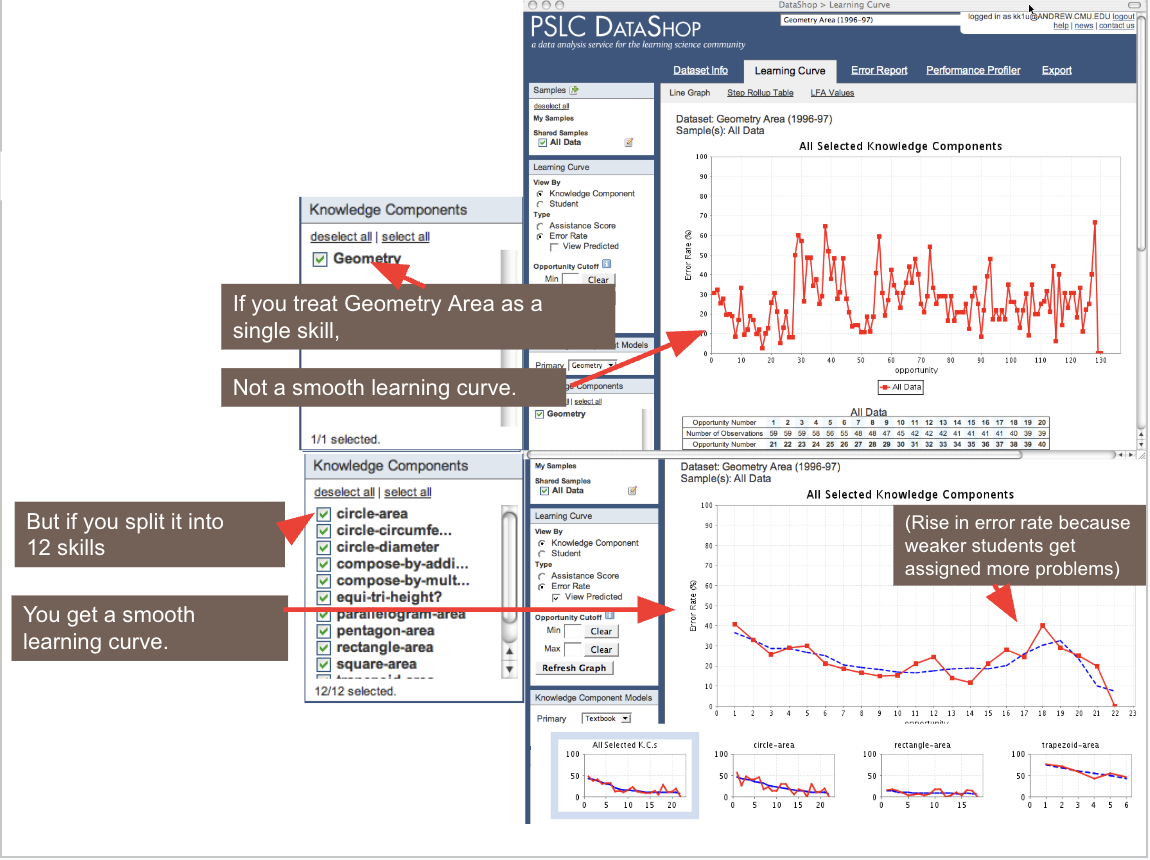
You can inspect curves for individual skills
Also look for problems with unexpected error rates
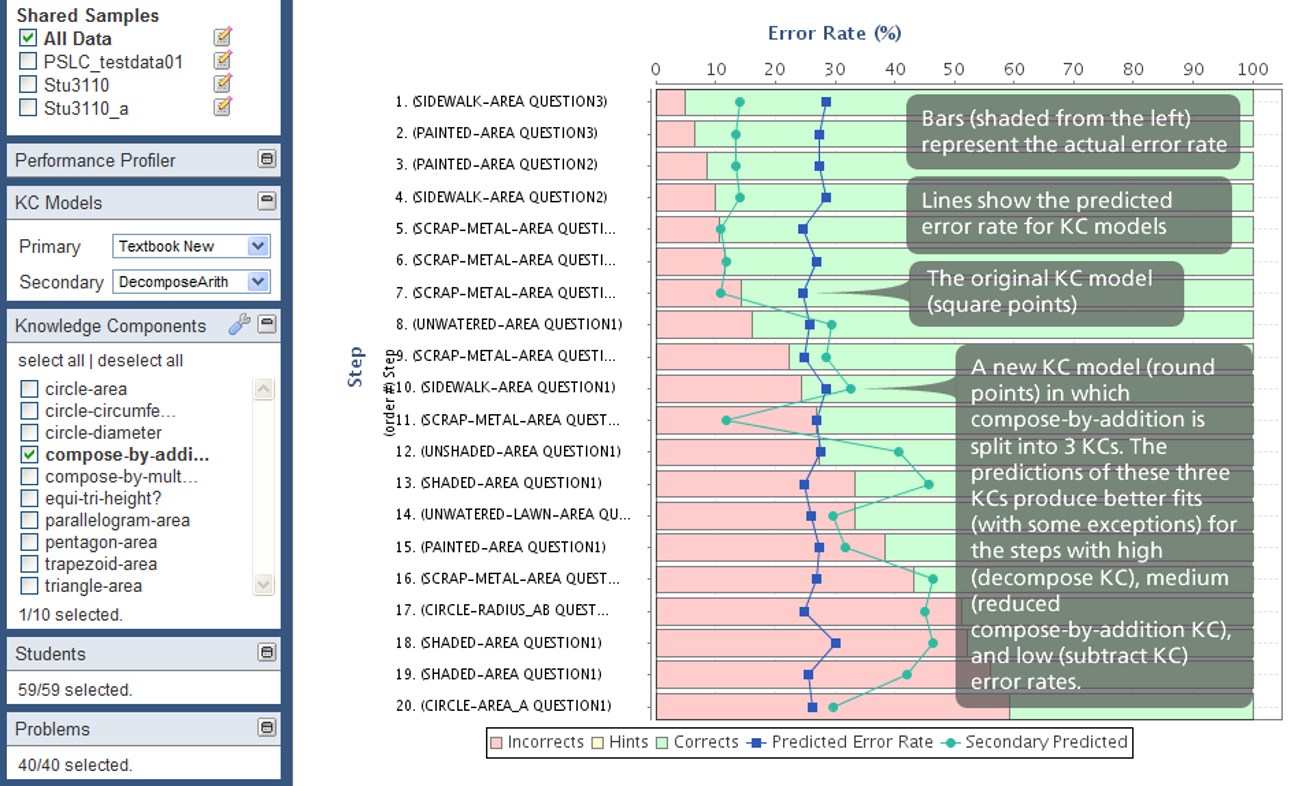
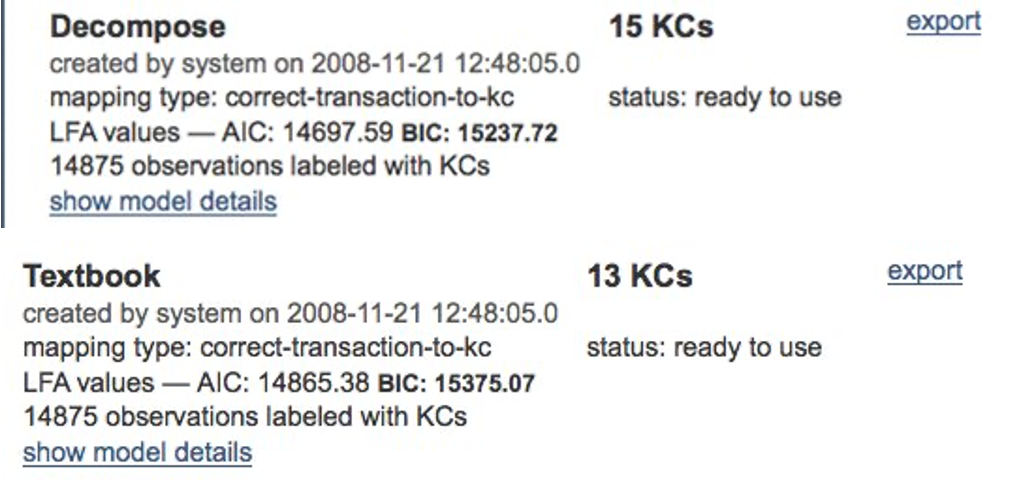
DataShop can apply model for you!
Applies a mathematical model called LFA (similar to PFA) to data
Can give AIC and BIC goodness measures for different skill-item mappings